

The touch concept in trade show booth design enhances brand promotion by fostering emotional connections and increasing attendee engagement through tactile interaction interior design exhibition. Utilizing textured materials aligned with brand identity and incorporating interactive touch technology encourages exploration and extends visitor dwell time. Thoughtfully designed tactile elements create authentic communication channels and differentiate booths in competitive environments. Measuring impact through interaction metrics further refines strategies, ensuring lasting impressions. Exploring these principles reveals how touch strategically elevates exhibitor success.
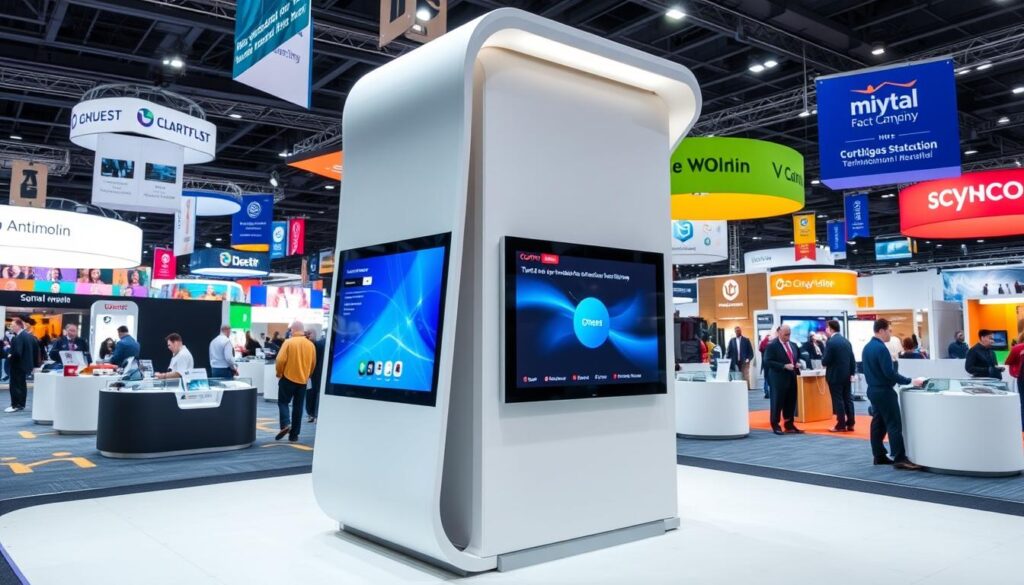
Why Touch Matters in Trade Show Booth Design
Frequently overlooked, the sense of touch plays a critical role in trade show booth design by creating memorable and engaging brand experiences exhibition booth design malaysia. Tactile interaction fosters emotional connections, enabling visitors to physically engage with products and materials, which enhances recall and brand affinity.
Touch stimulates curiosity, encouraging attendees to explore the booth more deeply, increasing dwell time and amplifying messaging impact. Strategically incorporating touch elements differentiates a booth in crowded environments, elevating brand presence without relying solely on visual or auditory cues.
For brands seeking freedom from conventional engagement methods, tactile experiences provide a direct, authentic communication channel. This approach not only reinforces brand identity but also empowers visitors to form personal connections, ultimately driving stronger leads and long-term loyalty in competitive trade show settings.
Selecting Textured Materials to Enhance Your Trade Show Brand
When integrating tactile elements, selecting textured materials becomes a strategic tool to reinforce brand identity and captivate trade show attendees. Textures evoke emotions and communicate brand values nonverbally, offering a subtle yet powerful way to differentiate a booth.
Materials such as brushed metal, reclaimed wood, or soft fabrics can align with a brand’s personality—whether modern, sustainable, or luxurious—inviting attendees to experience the brand’s essence physically. Thoughtful texture choices encourage touch, breaking barriers between audiences and the brand, fostering deeper connections.
Prioritizing tactile quality signals attention to detail and authenticity, enhancing perceived value. Ultimately, textured materials not only create memorable sensory experiences but also empower brands to express freedom in design, opening new avenues for engagement without relying solely on visual or digital elements.
Using Interactive Displays and Touch Technology to Boost Engagement
Incorporating interactive displays and touch technology transforms trade show booths into dynamic environments that actively engage attendees.
These tools invite visitors to explore products or services at their own pace, fostering a sense of autonomy and curiosity.
Touchscreens and gesture-responsive interfaces provide intuitive navigation, minimizing barriers to interaction and maximizing information retention.
Strategically placed interactive elements capture attention, encouraging deeper brand exploration and extending dwell time.
Additionally, real-time data collection through these technologies offers valuable insights into visitor preferences and behavior, enabling tailored follow-ups and improved marketing strategies.
By leveraging interactive displays, brands empower attendees with freedom to engage meaningfully, creating memorable experiences that differentiate the booth and elevate overall trade show impact.
This approach aligns with contemporary expectations for immersive, user-centered brand interactions.

Creating Meaningful Visitor Interactions Through Tactile Elements
Engaging multiple senses through tactile elements enhances visitor interaction by creating a tangible connection to a brand’s identity and offerings. Trade show booths that prioritize touch foster memorable experiences, encouraging deeper engagement and brand recall.
Key strategies include:
- Incorporating varied textures that reflect brand values, such as eco-friendly materials for sustainability-focused companies.
- Designing interactive product samples or prototypes that invite hands-on exploration, giving visitors a sense of control and freedom.
- Utilizing custom tactile signage and displays that guide visitors intuitively, enhancing navigation and discovery.
These approaches transform passive observation into active participation, empowering visitors to engage authentically. By embedding purposeful tactile elements, booths can break conventional barriers, offering freedom to explore and connect beyond visual stimuli alone, ultimately elevating brand presence and visitor satisfaction.
Measuring Touch Impact on Brand Promotion and Traffic
Evaluating the effectiveness of tactile elements in trade show booths is essential for quantifying their contribution to brand promotion and visitor traffic. Metrics such as dwell time, interaction frequency, and conversion rates provide concrete data on how touch influences engagement.
Integrating digital analytics—like QR code scans or NFC taps linked to tactile features—offers measurable insights into visitor behavior. Additionally, surveying attendees post-event captures qualitative feedback on sensory experiences, shaping future design strategies.
Conclusion
Incorporating tactile elements into trade show booth design strategically elevates brand presence and visitor engagement. Thoughtful selection of textured materials and interactive touch technologies fosters meaningful connections, differentiating brands in competitive environments. By prioritizing contact, exhibitors can effectively enhance sensory appeal, drive traffic, and deepen brand recall. Measuring these tactile interactions guarantees ongoing optimization, making touch an indispensable tool for impactful trade show promotion and sustained business growth.